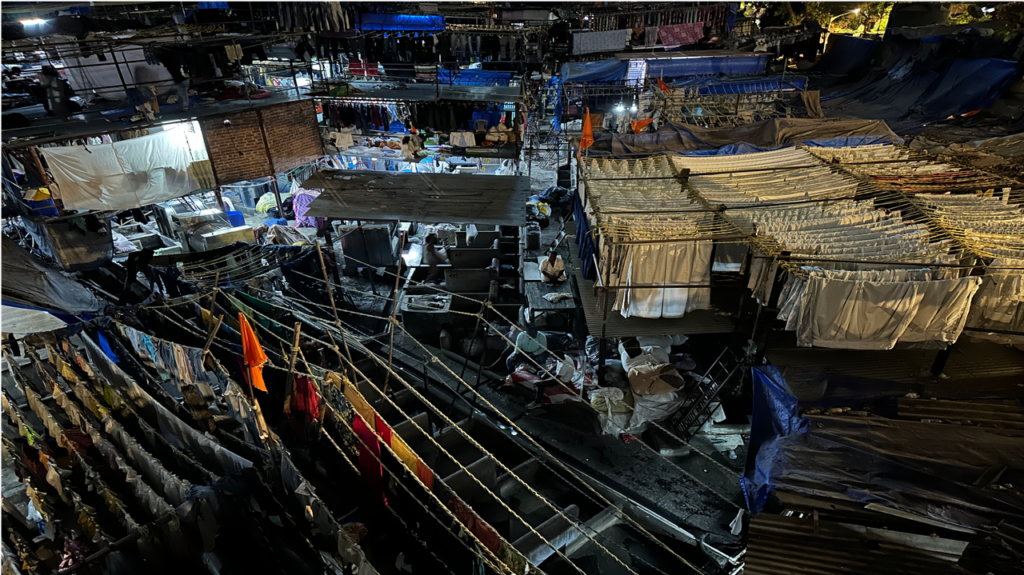
does adaptive public space provides a solution for shaping the slums flood resilient?
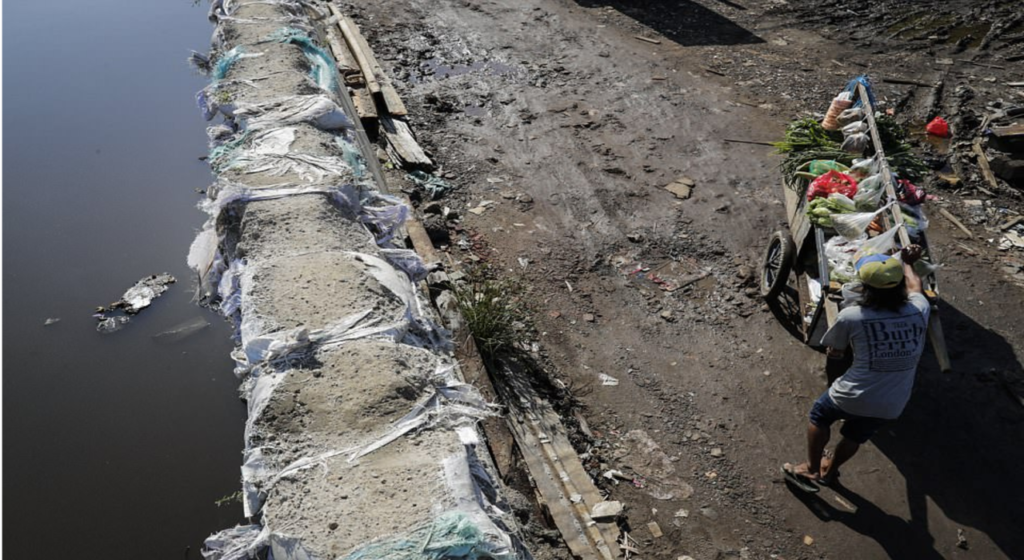
how can adaptive public spaces contribute to shaping flood-resilient slum environments?
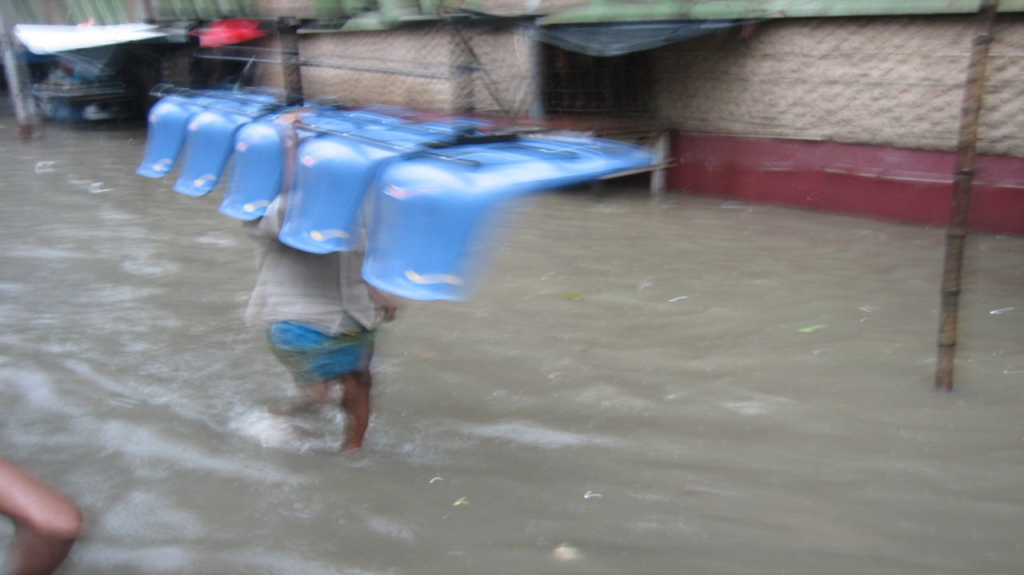
how urban slums can answer the frequent floods?
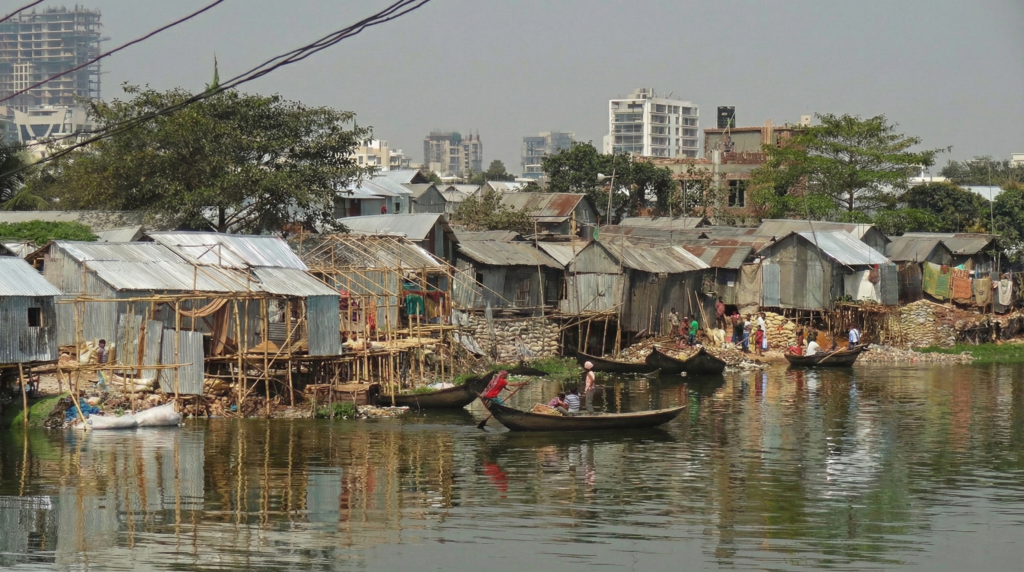
to what extent can adaptive public spaces enhance flood resilience in slum settlements?
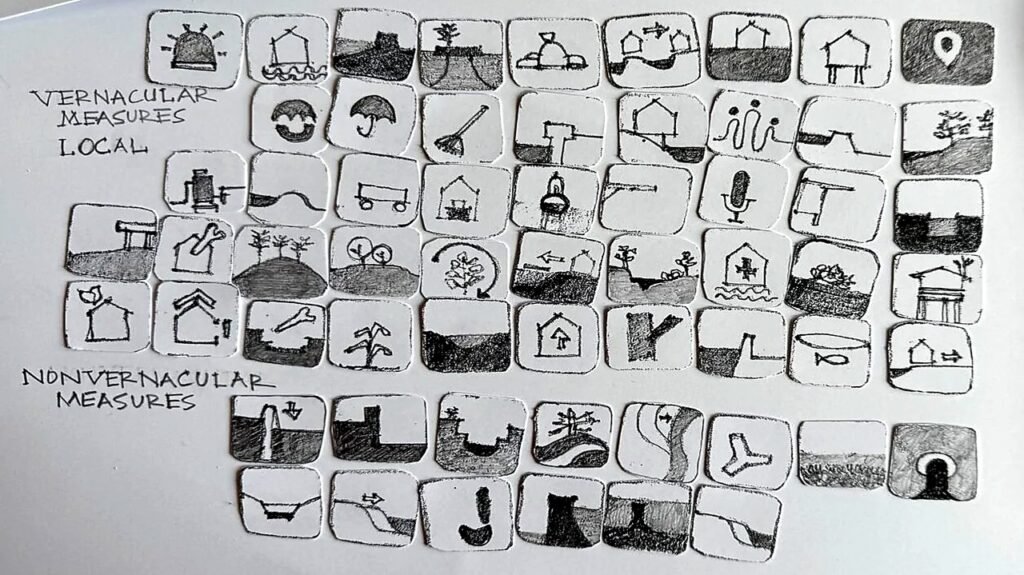

Urban slums are among the most vulnerable areas to the impacts of climate extremes. At the same time, these areas host a major portion of the urban population in developing countries, with limited capacity to prevent and absorb flood-driven risks. The challenge posed by climate change demands multidisciplinary approaches that integrate local and community-led measures, playing a vital role in shaping urban morphology and vernacular adaptation to build flood resilience.
This research investigates how urban slums can respond to frequent floods and examines whether community-driven, non-structural flood prevention measures combined with adaptive public spaces can serve as essential tools for resilience. Recognizing the persistent flood risks, the study aims to develop a conceptual framework based on existing adaptation measures. Morphological interpretation and typological classification of urban spaces in Dharavi, Mumbai, provide the methodological basis for spatial analysis.
Expected outcomes include the development of a lexicon that enhances the capacity of urban slums to withstand floods, and a transformation toolkit for flood adaptation applicable across developing countries.
The research is conducted as a doctoral project at CIAUD – Research Centre for Architecture, Urbanism and Design, Lisbon School of Architecture, Universidade de Lisboa, funded by Fundação para a Ciência e a Tecnologia I.P., under reference 2022.13669.BD.